

Matcha From Uji, Since 1854

Rooted in Uji
Tea has been grown and blended in Uji, Kyoto, since the 1850s. Generations of experience go into every blend.

Shade-Grown, Stone-Milled
Shading before harvest builds sweetness and deep green color. Fine grinding gives a powder that whisks smooth, not gritty.

A Grade for How You Use It
Finer matcha for sipping, sturdier blends for lattes and baking. You pay for the quality you’ll actually taste.
Best Sellers
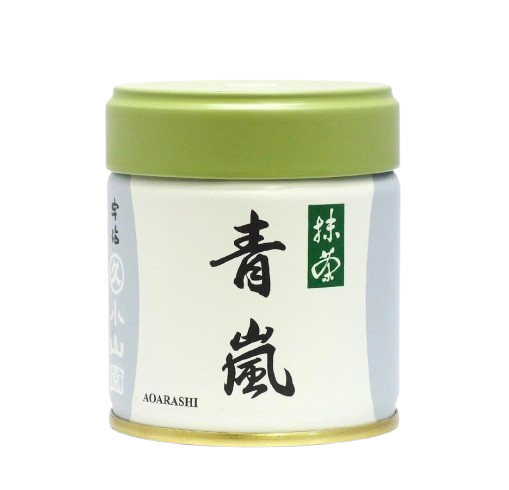
Organic, high-caffeine tea made from Kanayamidori, Okumidori, and Asanoka cultivars from East Asia. Ideal for tea, cooking, baking, and smoothies.
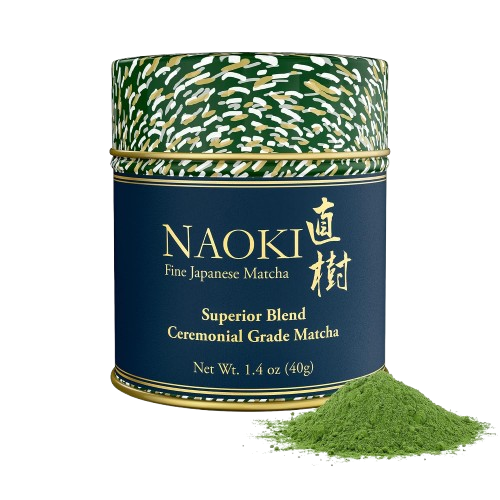
Naoki Matcha Superior Blend Matcha
The tencha is ground into a fine powder shortly before leaving Japan for the USA, then sealed in airtight packets to preserve its freshness and quality.
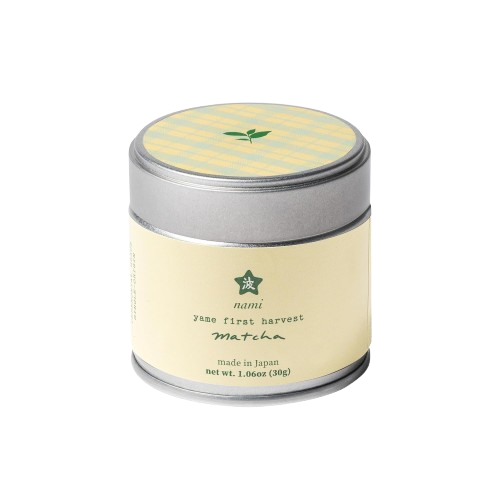
Made from the earliest spring harvest in Yame, Japan, this tea features young, shade-grown leaves known for their vibrant green color and refined taste.
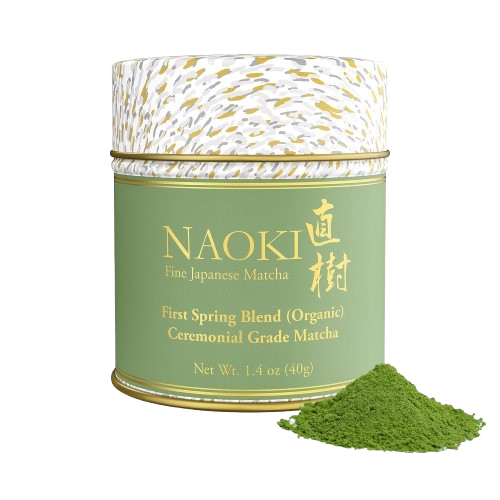
Organic First Spring Blend Matcha
Our Organic First Spring Blend Matcha is our top recommendation for beginners looking for a well-rounded organic ceremonial-grade matcha.
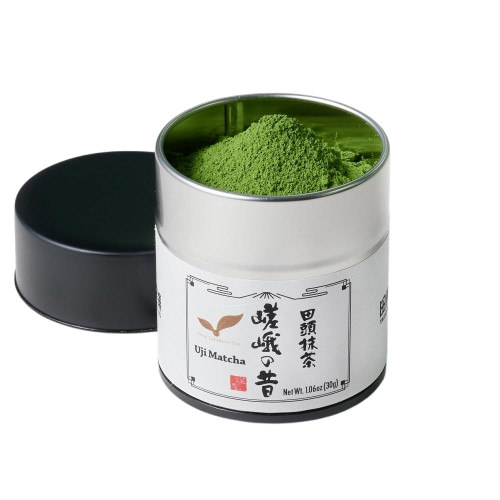
Uji Matcha Green Tea Powder Stone Milled
This traditional and meticulous process is reserved for the highest-quality tea, resulting in a matcha so rare that it represents less than 0.01% of tea.
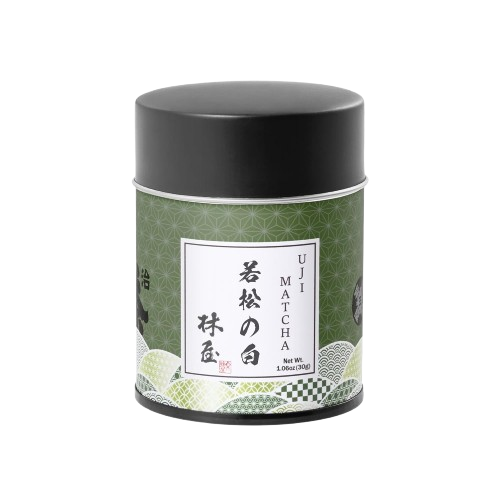
Wakamatsu Uji Matcha Powder, Ceremonial Grade
Rich and full-bodied, with balanced umami, a pleasant hint of bitterness, and a clean finish that retains its character when blended with milk.
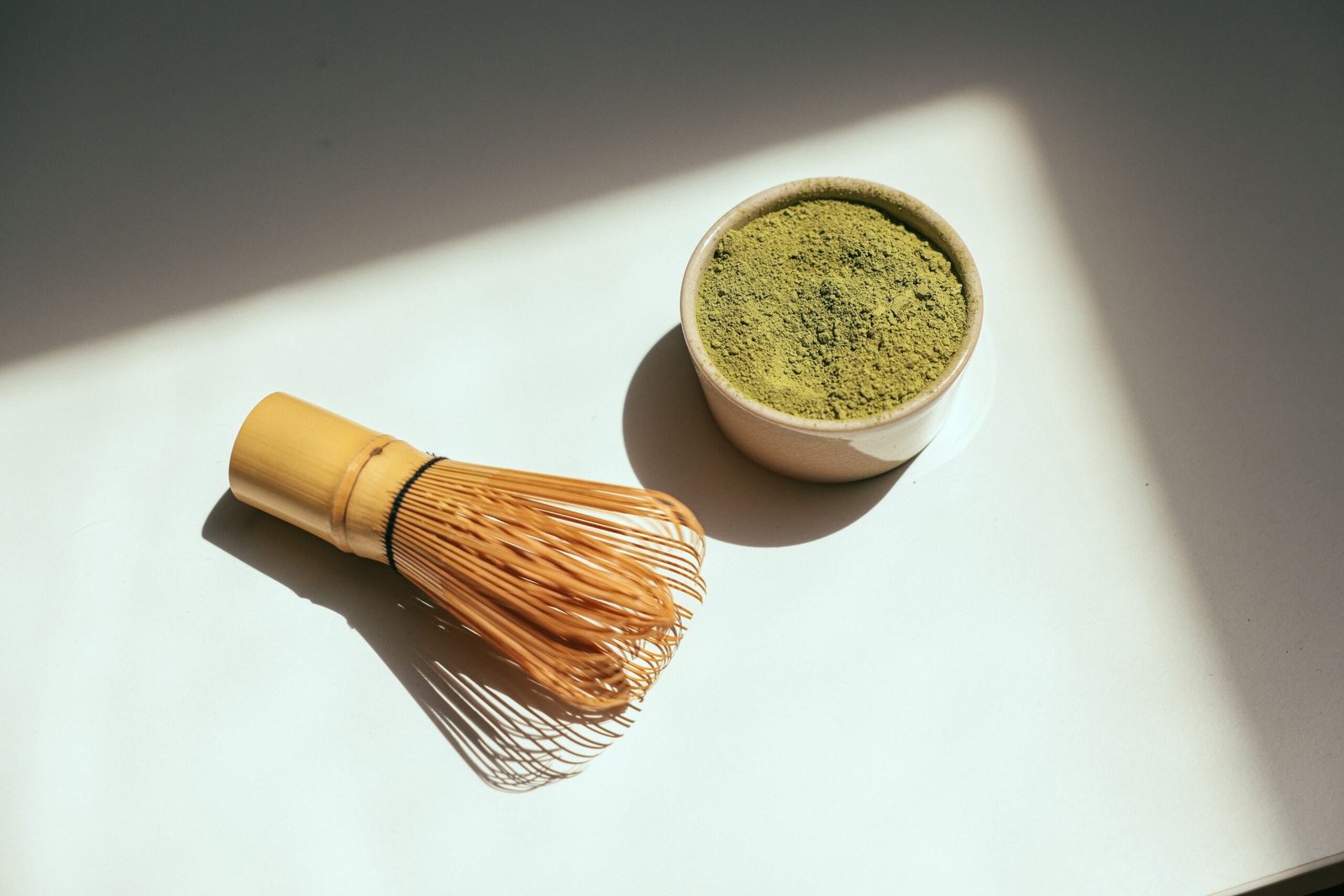
Slow Green, Done Properly
Stay in the Loop
Nakamura Tokichi makes matcha for people who’ve had the flat, bitter kind and know it isn’t supposed to taste like that. The name on the tin is a person’s, and it’s meant to work like one: you put your name on something when you’re willing to answer for it. So we started with the tea itself, and everything else, the tins, the tools, the little rituals around them, comes after.
Good matcha is fussy, and we’ve stopped pretending otherwise. Colour, aroma, and how a cup finishes on your tongue all depend on decisions made long before it reaches you. We taste constantly and pass on a lot, including lots that looked right and still fell flat in the bowl. It’s slower and it leaves us with less to sell, but we’d rather have a short shelf of tea we’d drink ourselves than a long one we’d have to explain.
We make this for people who whisk their own tea and care about the difference between a smooth cup and a sharp one. Maybe it’s your first quiet moment of the morning, or the thing you make when the day needs to slow down. If that’s you, you probably already know what to look for. We just make sure it’s in the tin.
Categories
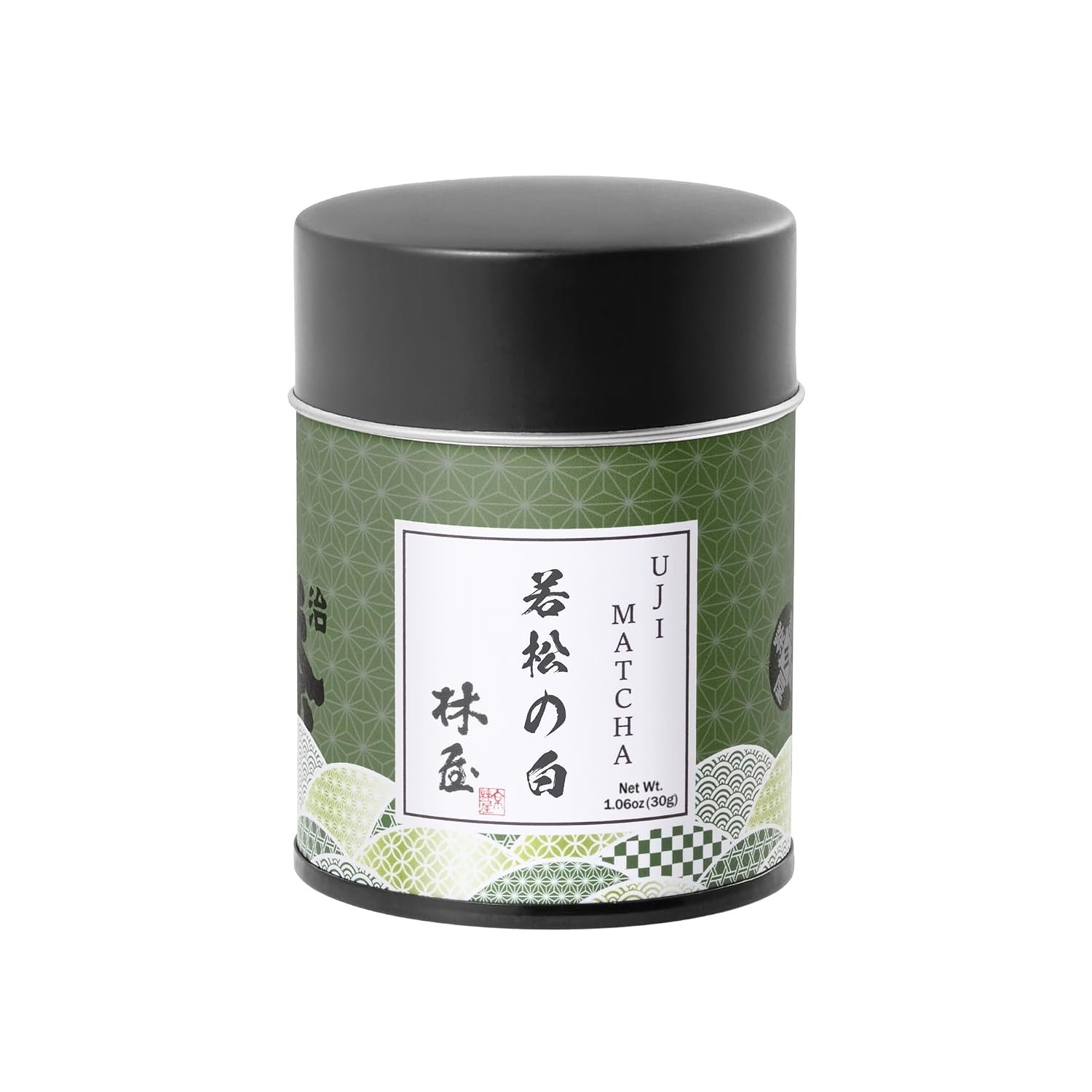
Matcha
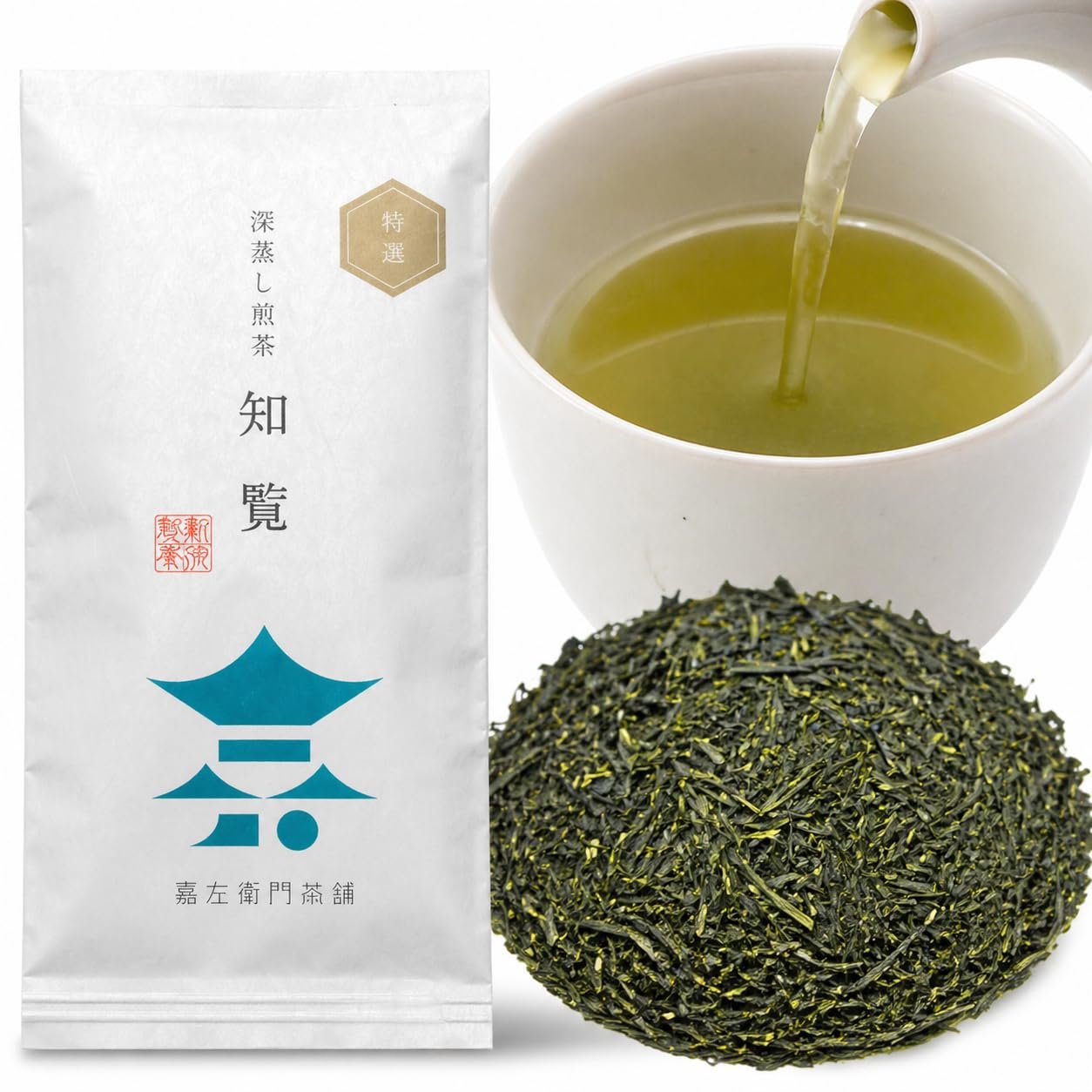
Sencha
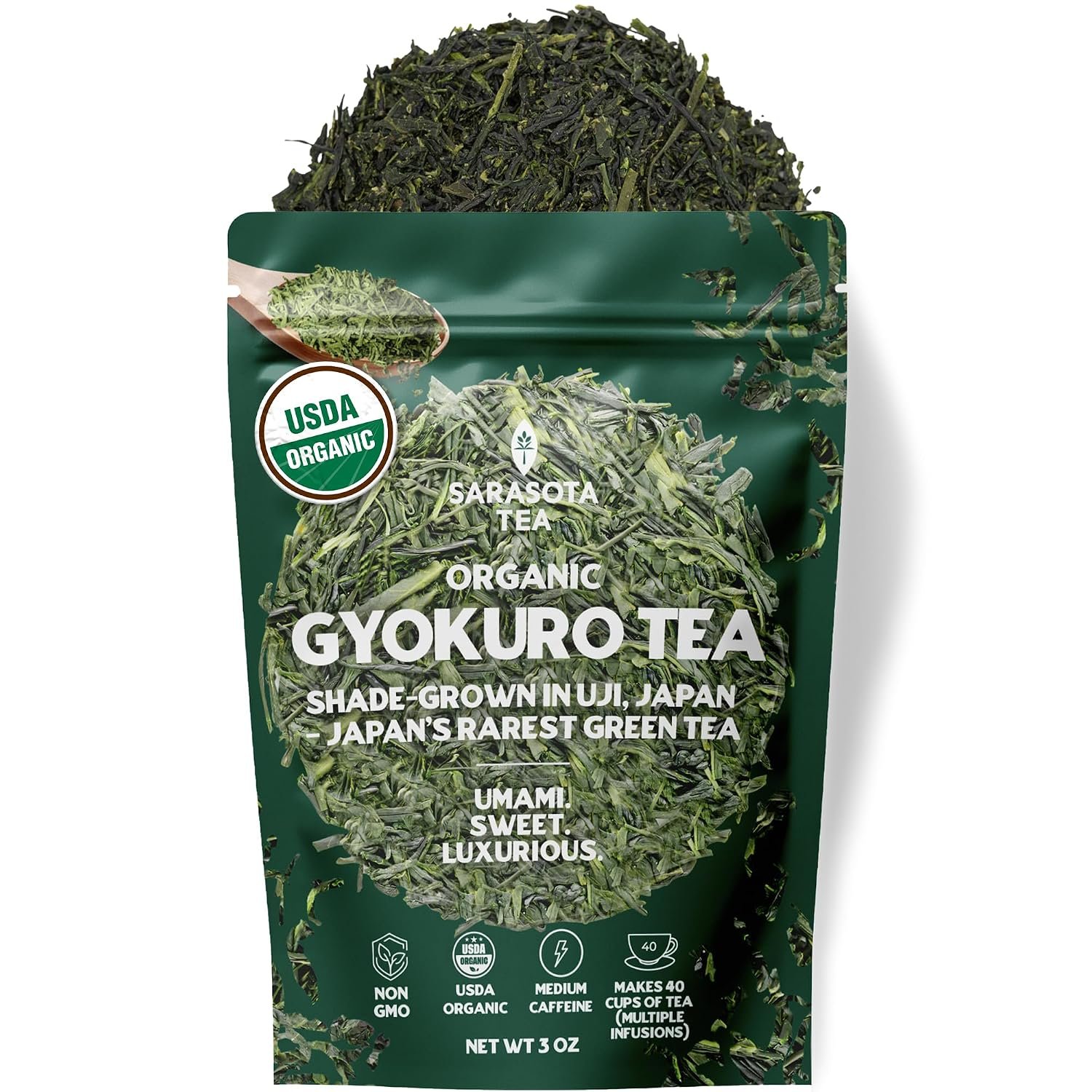
Gyokuro
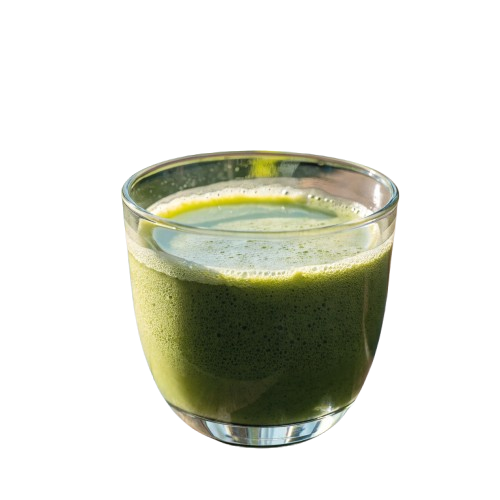
Steeped in Ritual
“I’ve whisked matcha from a dozen brands and this is the first where the foam stays fine and creamy instead of collapsing in a minute. No bitterness, just a deep, sweet green finish.”
– Aiko S.
Ceremonial Grade Matcha
Complete Your Matcha Set
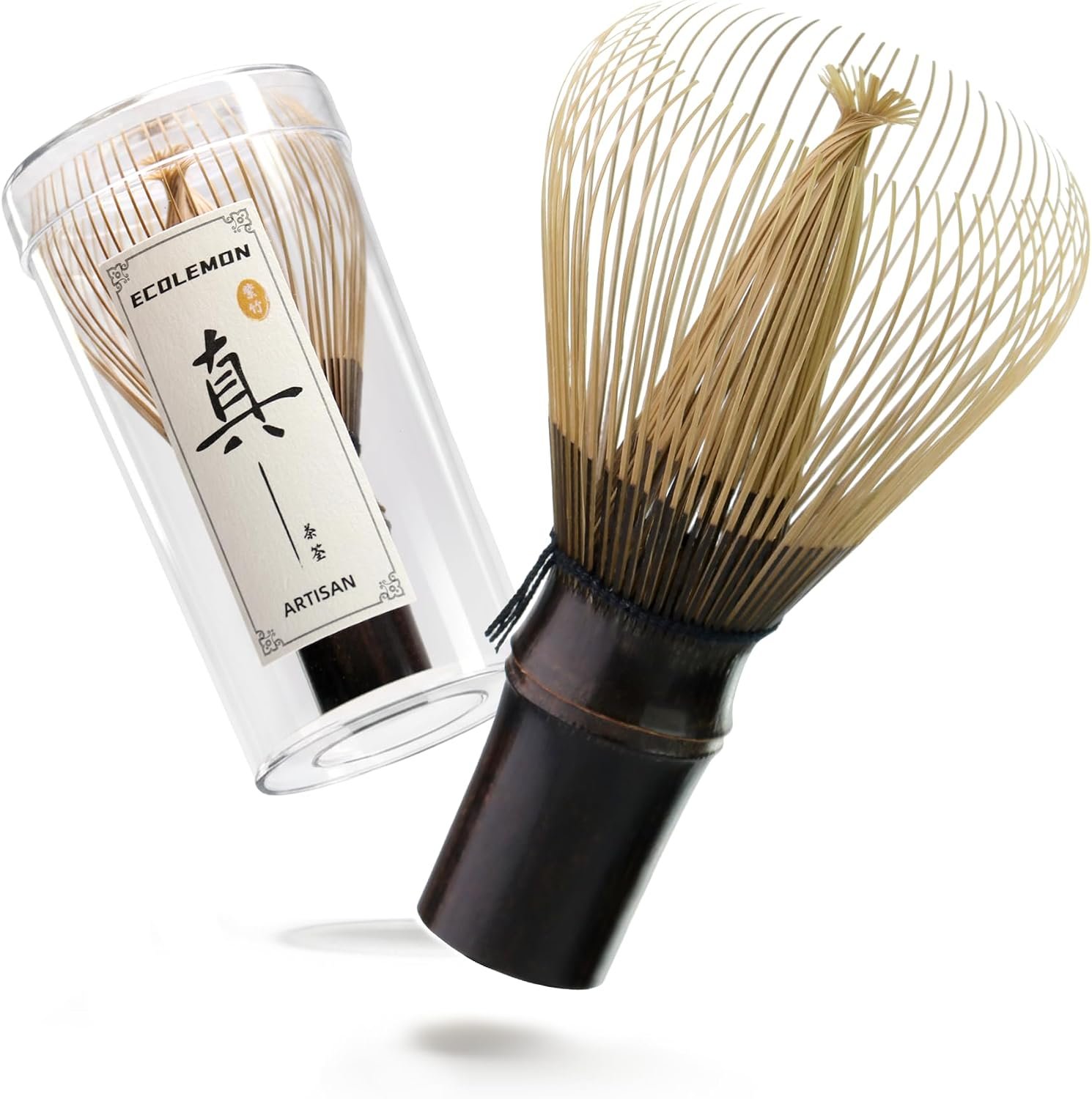
Chasen
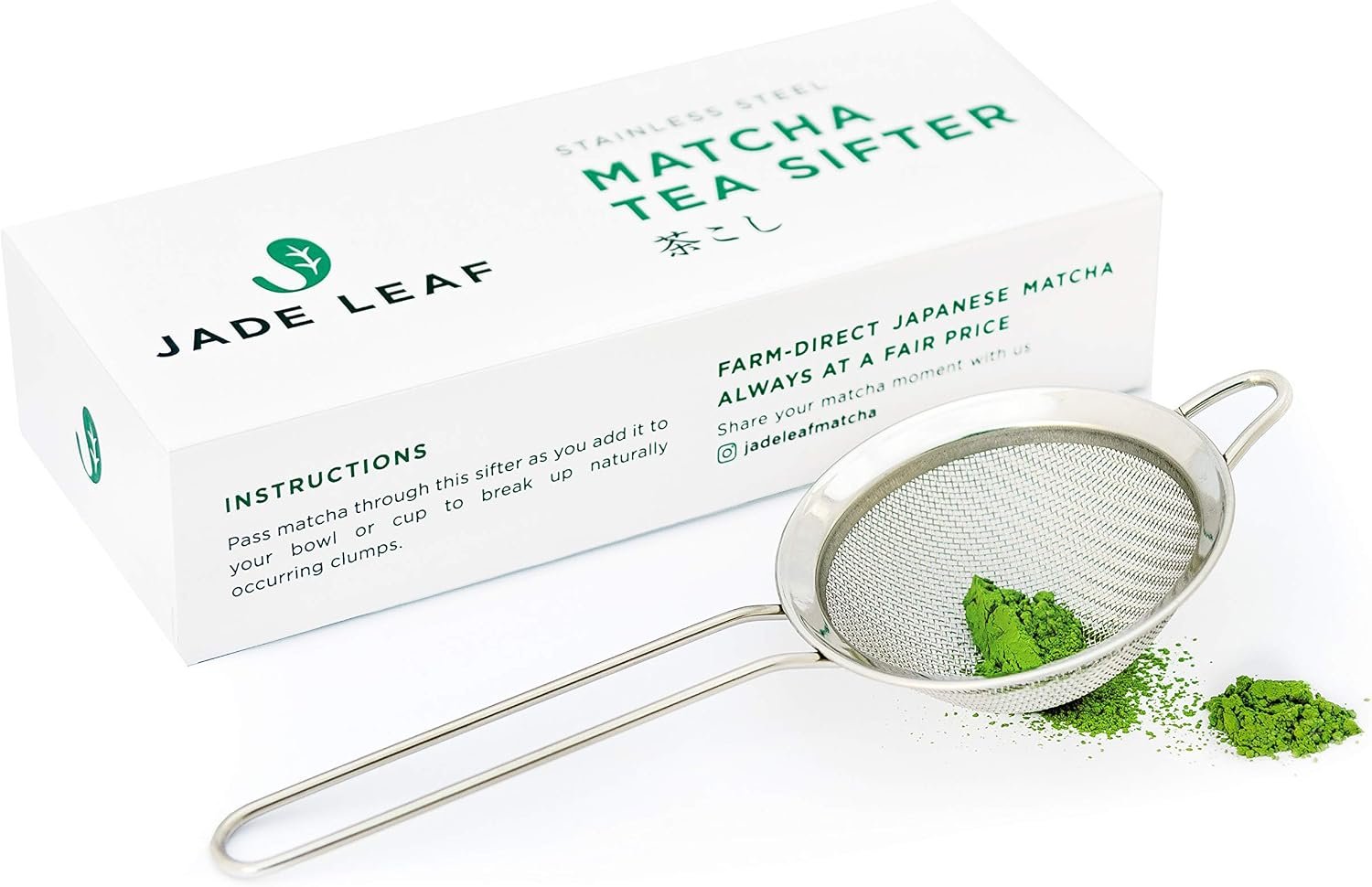
Matcha Sifter
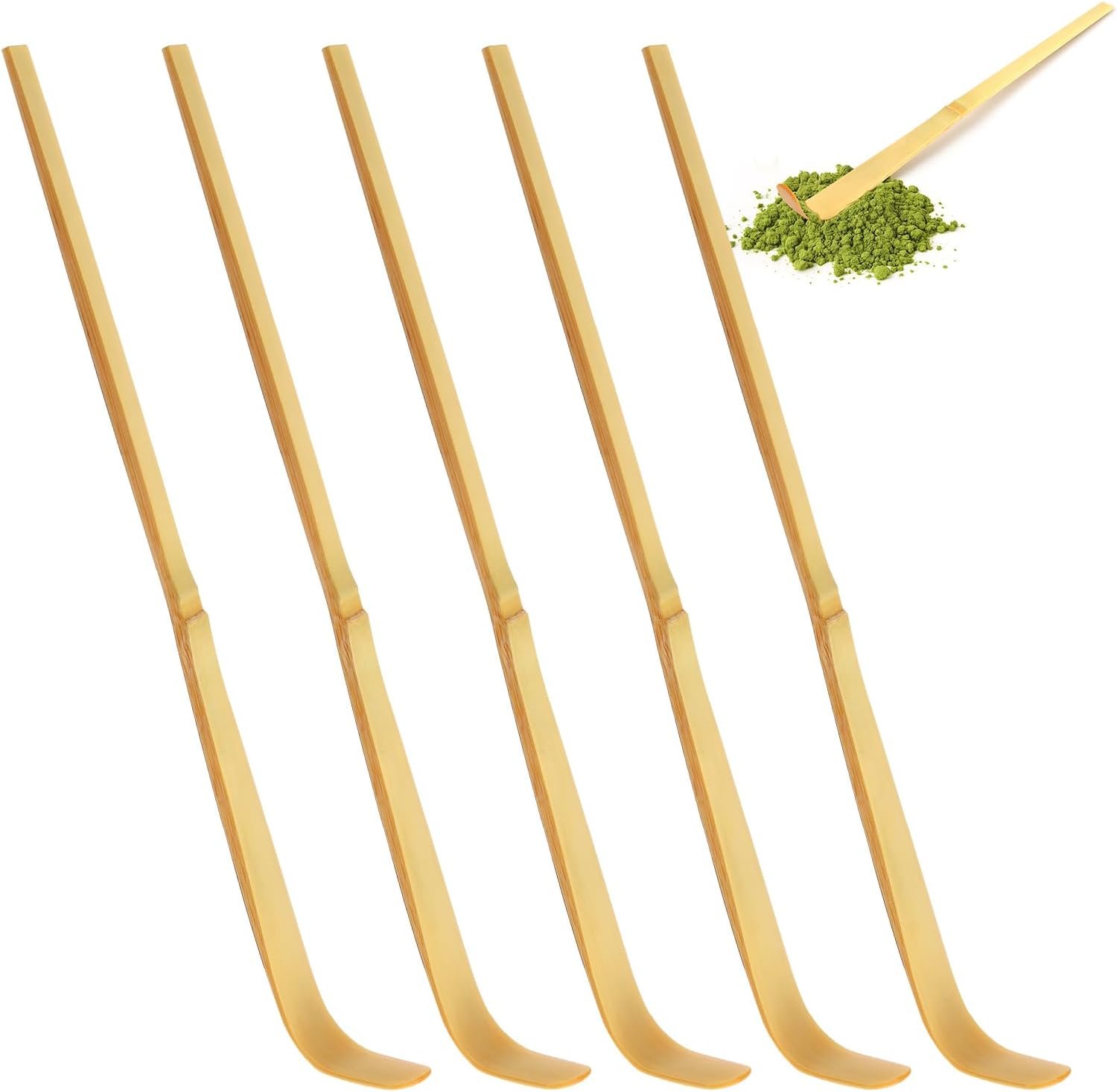
Chashaku
A Few Quick Answers
Ceremonial grades are made for whisking with water, where the flavor is smooth and the color stays bright. Culinary grades have a stronger, slightly more bitter profile that holds up in lattes, smoothies, and baked goods. Using a ceremonial grade in a recipe works, but much of its subtlety gets lost.
Light, heat, air, and moisture all dull the color and taste. Keeping the tin tightly closed in a cool, dark spot, or in the refrigerator, helps preserve freshness. Once opened, the powder is usually at its best within one to two months.
Since the whole leaf is consumed rather than steeped and removed, a typical serving of about 1–2 grams contains more caffeine than a regular cup of steeped leaves, though usually less than a cup of coffee. Those sensitive to caffeine may prefer a smaller scoop or an earlier time of day.
Sifting a small scoop into a bowl, adding water around 70–80°C (not boiling), and whisking in a zigzag motion until a fine foam forms gives the smoothest result. Water that is too hot tends to bring out bitterness. A bamboo whisk is traditional, though a small electric frother also works.
Shade differs with the harvest, the leaves used, and how finely the powder is stone-ground. A vivid green usually points to shade-grown young leaves, while a duller or yellowish tone can mean an older powder or a more culinary-oriented grade. Color alone is not a perfect measure of quality, but it offers a helpful hint.
The powder is so fine that it clumps easily when it absorbs humidity or is stirred in too quickly. Sifting before adding water breaks up lumps, and whisking vigorously in a wide bowl keeps the mixture even. Clumps that persist after sifting may be a sign that moisture has reached the tin.